C2C Festival ha appena annunciato la sua ventitreesima edizione, che si terrà in autunno dal 30 ottobre al 2 novembre 2025. Il programma completo verrà annunciato nelle prossime settimane, ma parte della line up è già stata annunciata. Ci saranno alcuni come back, come quello di Blood Orange che dopo sei anni torna in Europa, ma anche Four Tet, Model/Actriz e Skee Mask and I, Nourished By Time, La Catolica & Mabe Fratti’s Titanic; gli spettacoli di debutto italiano di Ali Sethi & Nicolas Jaar e Saya Gray, ma anche il nuovo spettacolo audiovisivo del vincitore del BRIT Award 2025 come “Produttore dell’anno” A. G. Cook e la prima performance live collaborativa tra IOSONOUNCANE e Daniela Pes.
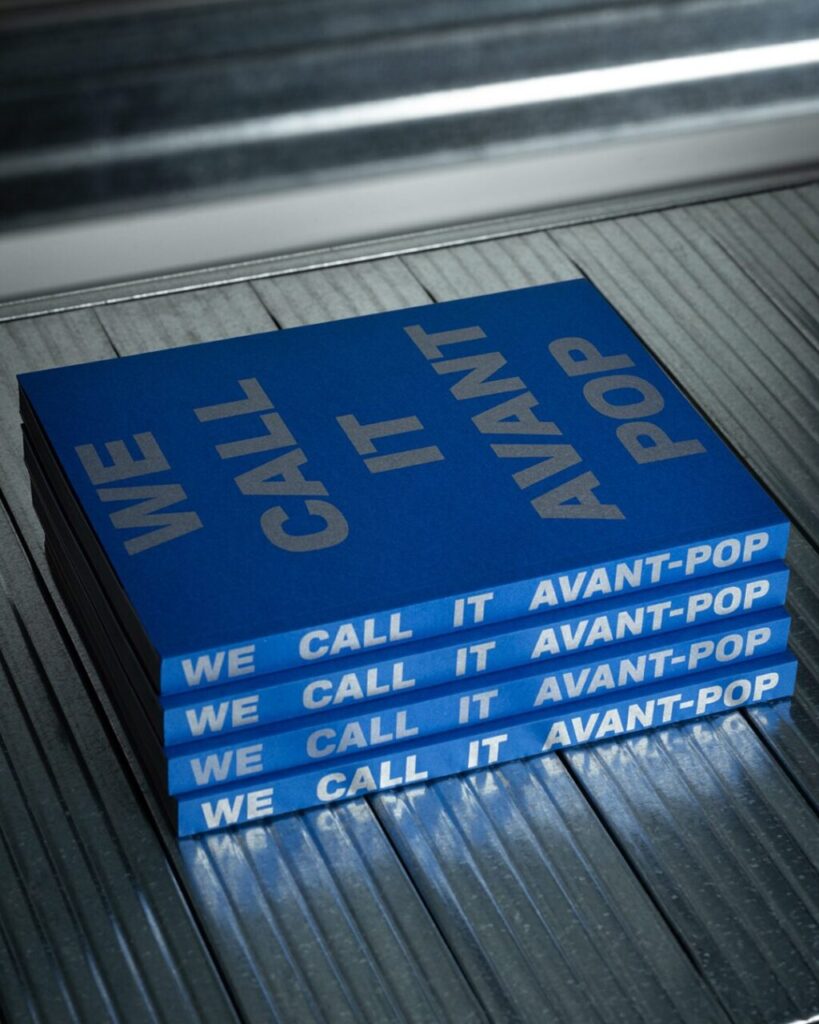
“We call it avant-pop” è un volume che unisce il racconto dei ventuno anni di storia di C2C Festival di Torino a un manifesto dell’“Avant—Pop”, un suono nuovo che si è sviluppato proprio sui dancefloor del festival torinese. Attraverso fotografie d’archivio del festival e testi originali, il volume rende omaggio agli artisti che vi hanno partecipato e al pubblico che, per due decenni, ha seguito da vicino l’evoluzione di un suono che è una sintesi di musica, ascolto, danza e performance.
Avant-pop and the art of plunder
Avant-pop began with pop, and pop began with plunder. From the start, pop plundered insurgent genres and made their innovations palatable – for teenagers first, and more broadly, for the market. Pop, of course, is a capitalist product. It mutates, innovates and iterates; it creates anticipation and desire. When pop doesn’t sell, it is no longer pop. Popularity is its principal quality. Is pop, then, for everyone? Not exactly. The market favours those with security,assets and comforts, and pop has had to diversify to satisfy that market. One strand surges ahead, seeking new plunder – this pop is a little like avant-pop but is not quite there yet. The other strand of pop consolidates the novel elements, and uses them to reinvigorate familiar sounds without leaving the middle of the road. The goal of this
second strand is to comfort the comfortable (and extract their disposable income). These two strands work together to keep pop healthy and marketable. What was once plundered from R&B or rock’n’roll or disco is now held within pop itself, no longer radical or dangerous. Over decades, genres come and go, and pop incorporates them into itself. Funk, house or grunge becomes pop, and then, when its pop iteration no longer sells, the genre morphs back to its original form, itself alone and not pop.
Both of these strands exist to perpetuate pop, which is not avant-pop’s goal. Conservative pop is white bread or oven cleaner or bin bags or light bulbs or Coca-Cola – a product you buy and buy again, anticipating little change to the formula. Plundered pop is less dependable but just as crucial to the enterprise. It is the introductory offers and brand new recipes that make it exciting to go to the supermarket.
For a pop music to truly surprise us, it has to see not only the totality of pop history, nor the crest of technical innovation, but both at once. It has to synthesise them into a sound that is puzzlingly, electrically current. It ought to see the trend but transcend it. It should aspire to deliver not only the shock of the new but also, in just the same instant, a sudden shock of the old. When pop achieves those aims, it may or may not be pop. It is probably avant-pop.
Like pop, avant-pop is an umbrella. Neither is a genre unto itself. Contrast avant-pop with the young genre of hyperpop. This Internet-bred style combines compositional nous with post-genre anarchy, reflecting the availability of seemingly all music, all at once. Nonetheless, hyperpop’s hyperactive, borderless anti-style is now a style in itself – the sound of how it feels to grow up in these information-overloaded times.
Avant-pop, on the other hand, contains the possibility for multiple, successive iterations – contains hyperpop itself. Yesterday’s avant-pop is not today’s avant-pop. Its plunder is not what is hot right now, but what excites the collective psyche. Unlike pop, which draws the present out of the past, avant-pop sees the future in the past.